
Loading Sustainable Solutions
3
Sustainable Packaging Blog

Sustainable Packaging Insights

Discover the latest trends, innovations, and best practices in biodegradable and eco-friendly packaging solutions.

Why Biodegradable Bags Are the Future of Sustainable Packaging

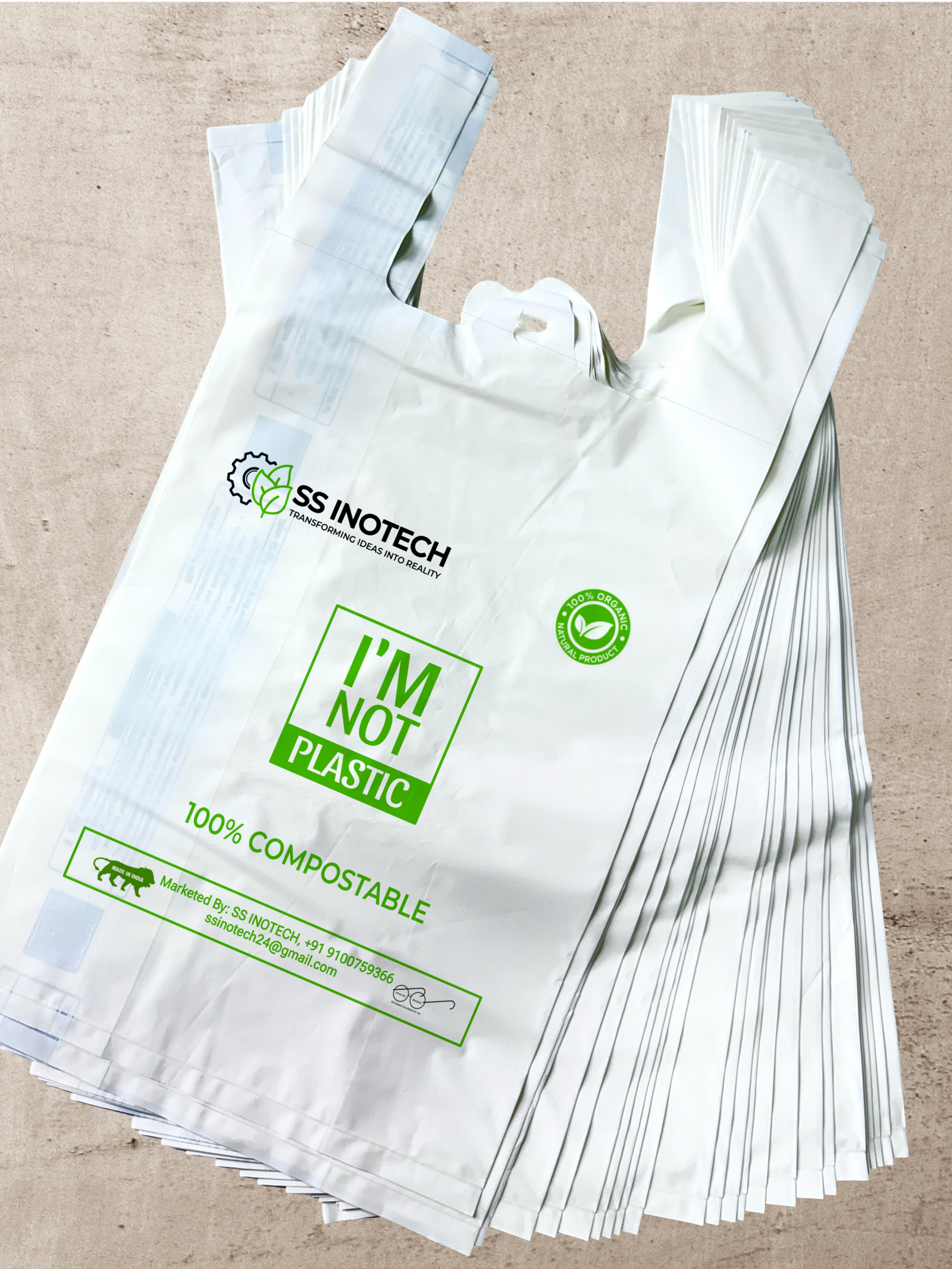
Biodegradable Bags

In an era where environmental awareness is growing rapidly, businesses and consumers alike are seeking sustainable alternatives to traditional plastic packaging. One of the most promising solutions? Biodegradable bags.

Let's explore why biodegradable bags are revolutionizing the packaging industry and paving the way toward a greener, cleaner future.


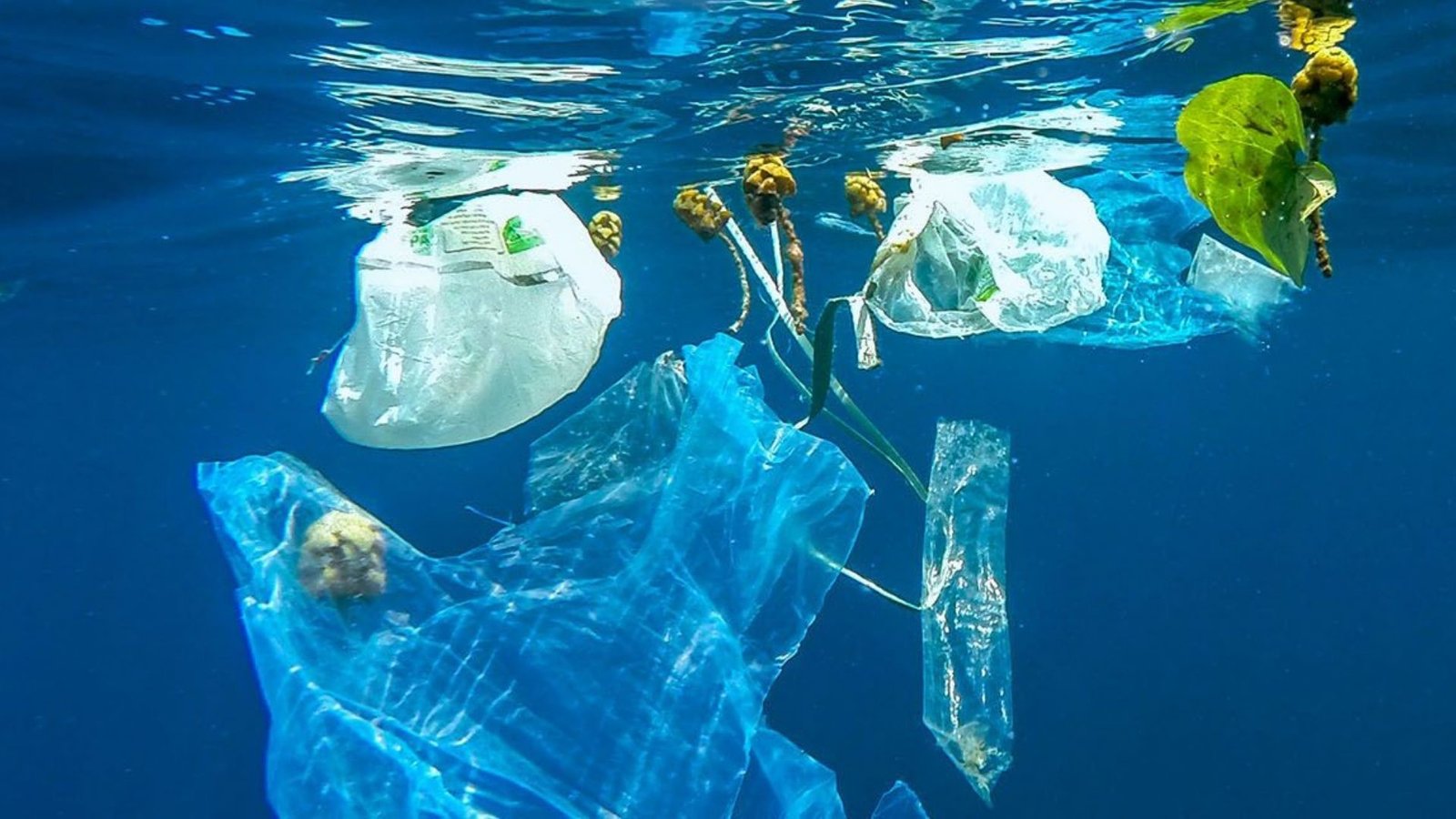
The Problem with Traditional Plastic Bags

Conventional plastic bags, made from petroleum-based polymers, take hundreds of years to decompose. During that time, they pollute our land, oceans, and even enter our food chain as microplastics. They contribute significantly to:

  • Soil and water pollution
  • Harm to marine and wildlife
  • Greenhouse gas emissions during production and degradation

It's clear: the world needs a better solution.


What Are Biodegradable Bags?

Biodegradable bags are made from natural materials like cornstarch, PLA (Polylactic Acid), or PBAT (Polybutylene Adipate Terephthalate). Unlike traditional plastic, they:

  • Break down naturally in composting conditions
  • Leave no toxic residue
  • Reduce dependency on fossil fuels

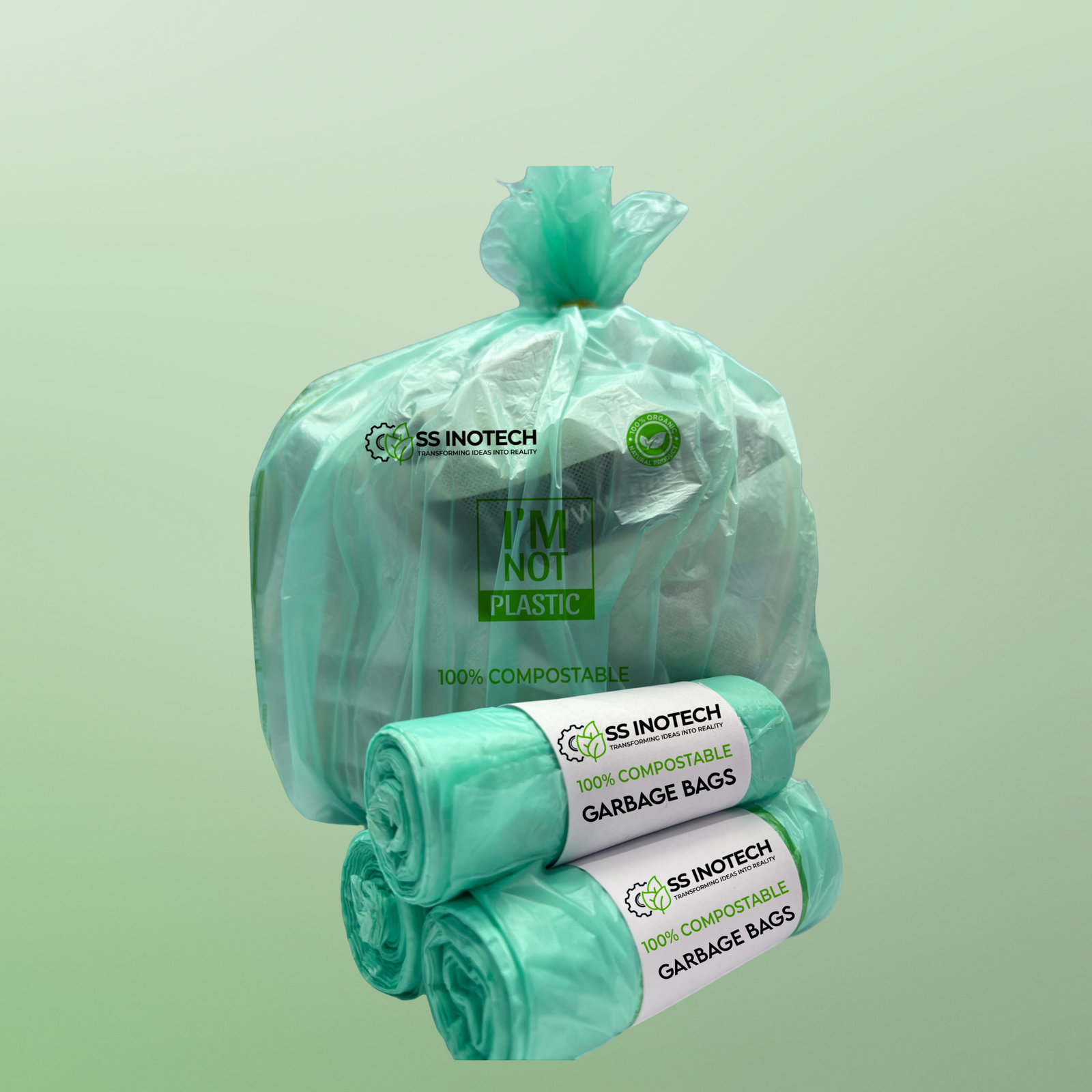
SS INOTECH, for example, offers a range of biodegradable and compostable bags that fully decompose within months under industrial composting conditions.


Key Benefits of Biodegradable Bags

  1. Eco-Friendly Disposal
    These bags break down into water, CO₂, and biomass, supporting a circular economy.
  2. Reduces Plastic Waste
    Using biodegradable alternatives helps curb plastic pollution in cities, rivers, and oceans.
  3. Supports Sustainable Brands
    Businesses that adopt biodegradable packaging demonstrate environmental responsibility and attract eco-conscious customers.
  4. Government Compliance
    Many countries and states are banning single-use plastic. Biodegradable bags meet new legal standards.
  5. Versatile Usage
    Available in forms like carry bags, mailers, pouches, cutlery packaging, and more—without compromising on strength or functionality.

SS INOTECH's Commitment to a Greener Tomorrow

At SS INOTECH, we're proud to be part of the solution. Our biodegradable bags are:

  • ✓ Certified compostable
  • ✓ Available in various sizes and thicknesses
  • ✓ Customizable for brand needs
  • ✓ Safe for the environment and easy to dispose of

Whether you're a retail store, garment brand, or e-commerce business, switching to our eco-friendly packaging solutions is a step toward a more sustainable future.

Contact Us Today

Final Thoughts

Biodegradable bags are not just a trend—they're a necessary innovation in the fight against plastic pollution. By embracing sustainable packaging, we take a small step that makes a big difference.

Ready to make the switch? 🌿
Contact SS INOTECH today to explore our full range of biodegradable packaging solutions.

📧 ssinotech24@gmail.com
📞 +91 91007 59366
How Are Biodegradable Bags Made? A Peek into the Green Manufacturing Process

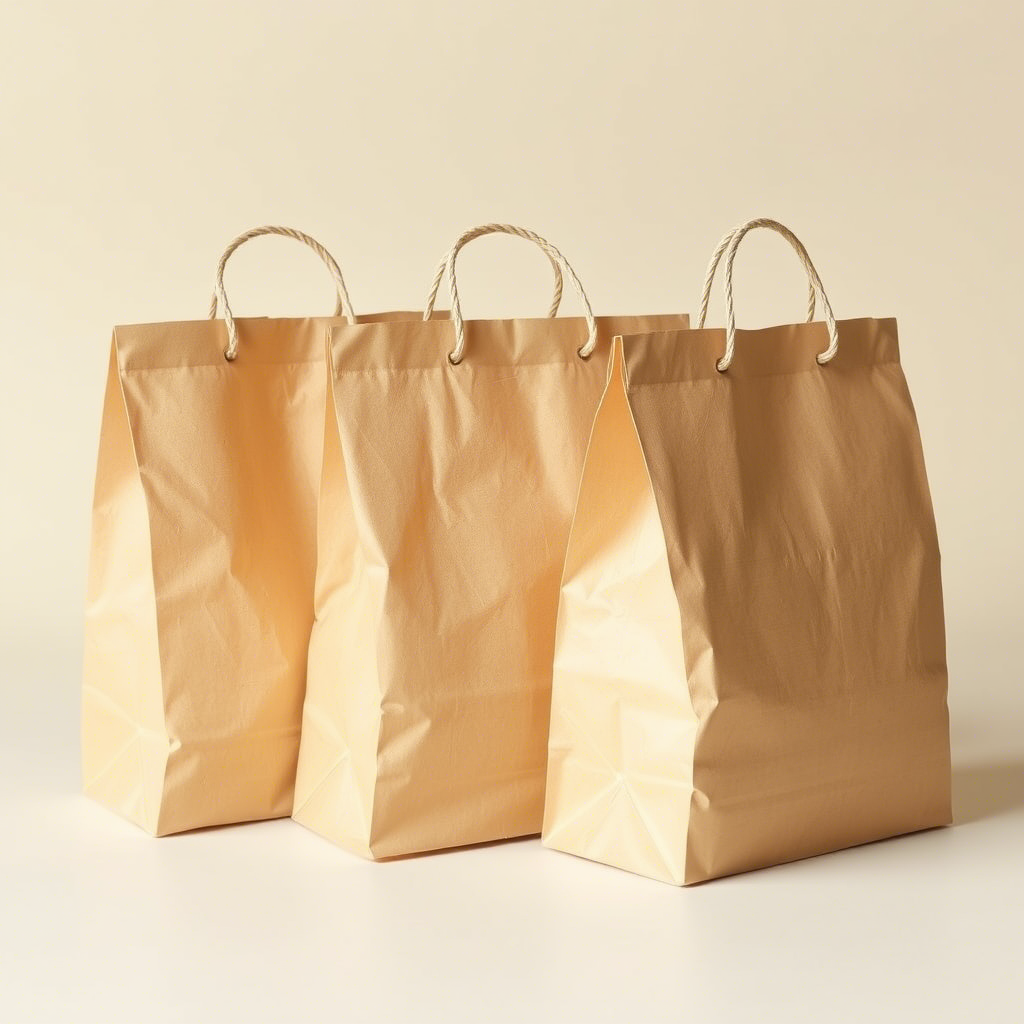
Biodegradable Bag Manufacturing

In the quest for eco-friendly packaging, biodegradable bags have emerged as a smart, sustainable choice. But have you ever wondered how these green bags are actually made?

Let's take a quick and clear look at the manufacturing process of biodegradable bags—right from raw materials to ready-to-use eco-packaging.


1. Choosing the Right Raw Materials

Unlike traditional plastic made from petroleum, biodegradable bags are made from natural, renewable sources such as:

  • Cornstarch
  • PLA (Polylactic Acid) – derived from fermented plant starch
  • PBAT (Polybutylene Adipate Terephthalate) – a biodegradable polymer

These materials are safe for the environment and break down naturally under composting conditions.


2. Polymer Processing

Once the raw materials are selected, they are processed into a biopolymer blend. This involves:

  • Mixing starch with PLA or PBAT
  • Melting and blending to form a consistent resin
  • Adding any natural colorants or additives (if needed)

This biodegradable resin behaves much like plastic—but it's fully compostable!


3. Film Extrusion

The resin is melted and passed through a machine called a film extruder to create thin sheets of biodegradable plastic. These sheets will eventually become the bags. The process involves:

  • Heating the resin to a specific temperature
  • Forming a continuous sheet or tube of film
  • Cooling the film and winding it onto rolls

4. Bag Formation and Cutting

The biodegradable film is now ready to be shaped into bags. In this stage:

  • The film is fed into cutting and sealing machines
  • Bags are formed in various shapes and sizes (carry bags, zip pouches, garment covers, etc.)
  • Handles, gussets, or zippers are added depending on the design

Customization, such as brand logos or eco-friendly messages, is also printed here.


5. Quality Testing

Before packaging, the bags go through:

  • Tensile strength testing to ensure durability
  • Compostability checks to meet certification standards
  • Visual inspection for print quality and finishing

SS INOTECH ensures that each batch of biodegradable bags meets high environmental and product quality standards.


6. Packing & Distribution

The finished bags are then:

  • Packed in recyclable boxes
  • Labeled and stored in a clean, dry environment
  • Shipped to customers, ready to replace harmful plastic alternatives

Final Thoughts

The process of making biodegradable bags is a beautiful blend of science, sustainability, and innovation. By switching to biodegradable packaging, we not only reduce plastic pollution but also support a healthier planet.

💡 Looking for custom biodegradable bags for your brand?

📧 Email: ssinotech24@gmail.com
📞 Call/WhatsApp: +91 91007 59366

Get a Quote

Top 5 Uses of Biodegradable Bags in Daily Life & Business

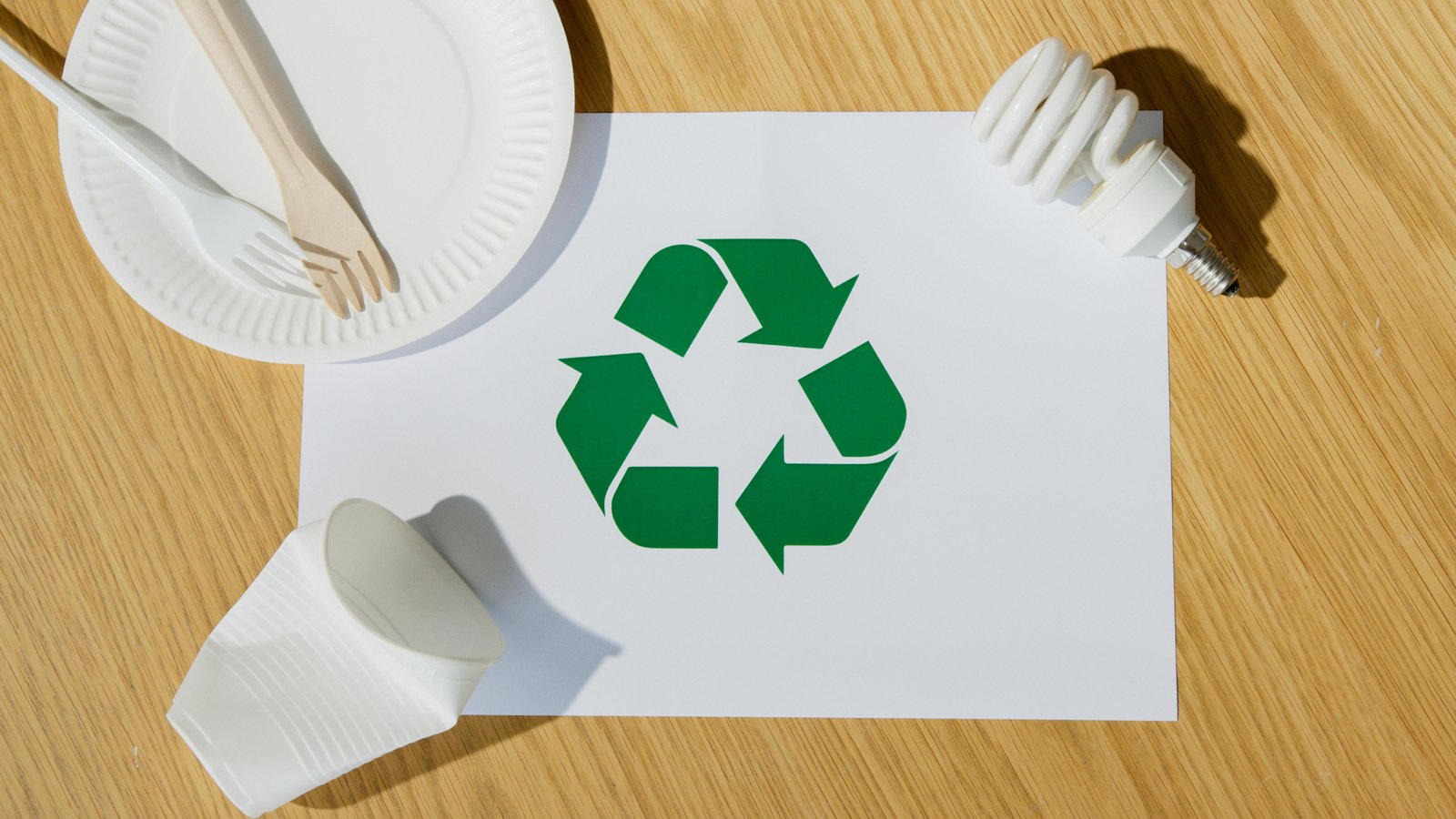
Uses of Biodegradable Bags

As the world shifts towards sustainability, biodegradable bags are replacing traditional plastic in everyday use and business operations. Made from plant-based materials like cornstarch, PLA, and PBAT, these bags are eco-friendly, safe, and highly versatile.

Let's explore the top 5 practical uses of biodegradable bags in our daily lives and across different industries.


1. Retail & Grocery Shopping

One of the most common uses of biodegradable bags is in grocery and retail stores. These bags are:

  • Strong enough to carry vegetables, groceries, and daily essentials
  • Safe for direct food contact
  • 100% compostable, making disposal easy and eco-friendly

Many stores are now offering biodegradable carry bags as a responsible alternative to banned single-use plastics.


2. Garment & Fashion Packaging

Clothing brands are rapidly shifting to biodegradable garment bags to reduce plastic waste. These bags are:

  • Transparent or opaque with a smooth finish
  • Used for packing T-shirts, jeans, dresses, etc.
  • Custom-printable with brand logos or eco messages

At SS INOTECH, we provide biodegradable bags to fashion labels and laundry services looking to reduce their carbon footprint.


3. E-commerce & Courier Shipping

E-commerce platforms are turning to biodegradable mailer bags to ship products in a more sustainable way. These eco-mailers are:

  • Tear-resistant and waterproof
  • Available with or without adhesive flaps

This helps brands showcase their commitment to sustainability while protecting their products during transit.


4. Food Delivery & Takeaway

Restaurants and cafes are increasingly using biodegradable food-grade pouches and bags for:

  • Packing snacks, sandwiches, and baked goods
  • Lining compostable containers for extra safety
  • Carrying takeaway meals in eco-friendly wrappers

These bags reduce plastic contamination in food and decompose safely, making them ideal for the F&B industry.


5. Home Composting & Waste Collection

At home, biodegradable bags are a smart choice for:

  • Collecting kitchen waste and compost scraps
  • Storing wet waste without leaks
  • Supporting home composting systems

They degrade naturally, leaving no toxic residues, and help reduce landfill load.

Final Thoughts

Whether you're a consumer making eco-conscious choices or a business embracing sustainable practices, biodegradable bags offer an easy and impactful solution.

They're not just a trend—they're the future of responsible packaging.

Partner with SS INOTECH

Looking for premium-quality biodegradable bags for your store, brand, or home?

📧 Email: ssinotech24@gmail.com
📞 Call/WhatsApp: +91 91007 59366

View Our Products

Biodegradable vs. Compostable: What's the Difference?

Biodegradable vs Compostable

In today's eco-conscious world, we often hear the terms "biodegradable" and "compostable" used when talking about sustainable packaging. But are they the same?

Not quite. While both are better than traditional plastic, they have important differences in how they break down and impact the environment.

Let's understand what sets them apart—and which is better for your needs.


What Does "Biodegradable" Mean?

Biodegradable refers to any material that can break down naturally with the help of microorganisms like bacteria or fungi.

Key Features:

  • Breaks down over time (weeks to years)
  • May leave residue or particles depending on the material
  • Can degrade in landfills or open environments
  • Not always quick or complete without the right conditions

Example: Some bags made from PBAT and PLA are biodegradable, but they may need heat and moisture to degrade efficiently.


What Does "Compostable" Mean?

Compostable materials are a step further—they not only break down naturally but also turn into compost that enriches the soil.

Key Features:

  • Decomposes completely into CO₂, water, and biomass
  • Leaves no toxic residue
  • Must meet specific composting standards (like ASTM D6400 or EN 13432)
  • Requires industrial or home composting conditions

Example: Compostable carry bags and zip pouches from SS INOTECH degrade fully within 180 days in composting environments.


Key Differences at a Glance:

Feature Biodegradable Compostable
Breakdown Process Natural, may take longer Faster, under compost conditions
End Product May leave residue or fragments Turns into nutrient-rich compost
Environmental Impact Better than plastic, not perfect Zero-waste, improves soil quality
Certification Required Not always Must meet compostable standards

Which Should You Choose?

  • For eco-conscious businesses: Compostable is the better option—it's cleaner, faster, and safer for the environment.
  • For general packaging use: Biodegradable is still a great step up from plastic, especially if composting isn't accessible.

At SS INOTECH, we offer both biodegradable and certified compostable packaging solutions—designed to meet your product, brand, and sustainability needs.

Final Thoughts

Biodegradable and compostable products both help reduce pollution—but knowing the difference helps you make smarter environmental choices.

🛒 Whether you're packing clothes, groceries, food, or shipping orders, choose packaging that respects the Earth.

Let's Go Green Together

Want to switch to certified compostable bags or eco-packaging?

📧 Email: ssinotech24@gmail.com
📞 Call/WhatsApp: +91 91007 59366

Contact Our Team

Why Your Business Should Switch to Biodegradable Bags Today

Business Switching to Biodegradable Bags

In a world that's growing more eco-conscious every day, customers are actively choosing businesses that care about the planet. One of the easiest and most impactful changes your business can make is to switch from plastic to biodegradable bags.

Here's why this small change can lead to big benefits—for your brand, your customers, and the environment.


1. Reduce Environmental Pollution

Traditional plastic bags can take hundreds of years to degrade, releasing microplastics into the soil and water.

In contrast, biodegradable bags made from natural materials like PLA, PBAT, and cornstarch:

  • Decompose in a few months
  • Leave no harmful residues
  • Support a healthier ecosystem

By switching to biodegradable packaging, your business directly contributes to reducing plastic pollution.


2. Win Customer Trust & Loyalty

Today's customers are environmentally aware. They prefer to support businesses that share their values.

By offering biodegradable bags, your business:

  • Shows commitment to sustainability
  • Stands out from competitors
  • Builds a strong, trust-based relationship with eco-conscious shoppers

It's not just good ethics—it's also good branding.


3. Ideal for a Wide Range of Uses

Biodegradable bags are versatile and available in many forms:

  • Carry bags for retail & grocery
  • Garment covers for fashion brands
  • Courier mailers for e-commerce
  • Food pouches for restaurants and delivery services

Whatever your business, there's a biodegradable solution to match your packaging needs.


4. Stay Ahead of Regulations

Many states and countries have banned or heavily restricted single-use plastics. By making the switch now, you:

  • Stay compliant with evolving environmental laws
  • Avoid fines or legal troubles
  • Position your brand as a proactive leader in sustainability

Get future-ready—before plastic bans force you to change.


5. Affordable & Scalable

Thanks to innovation in green materials, biodegradable bags are now cost-effective and available in bulk.

At SS INOTECH, we offer:

  • Competitive pricing
  • Custom branding options
  • Scalable supply to match your demand

You can go green without going over budget.

Make the Switch with SS INOTECH

Whether you run a local store or a growing e-commerce brand, SS INOTECH helps you transition smoothly to sustainable packaging.

We offer:

  • ✓ 100% biodegradable & compostable bags
  • ✓ Custom sizes, colors, and prints
  • ✓ Free samples and quick delivery
Request Samples